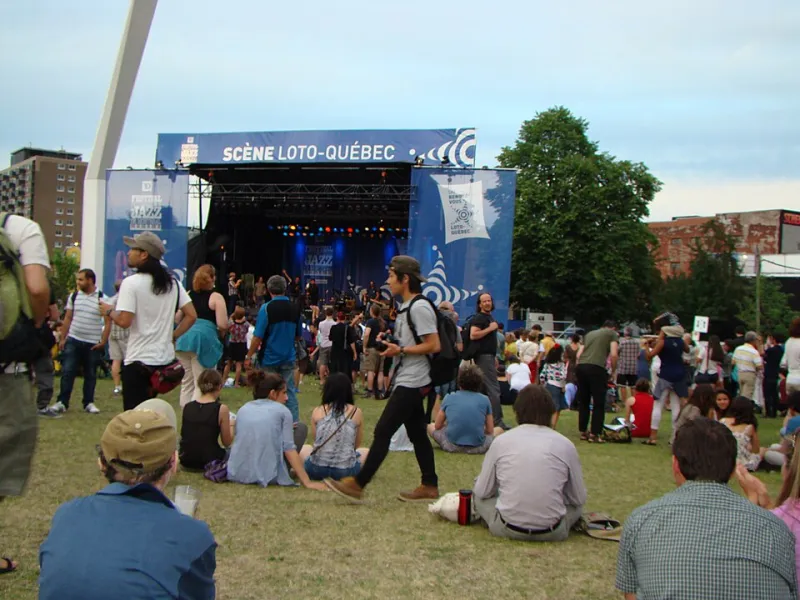
The Off-Season Encore: Build a Jarasum Listening Room at Home
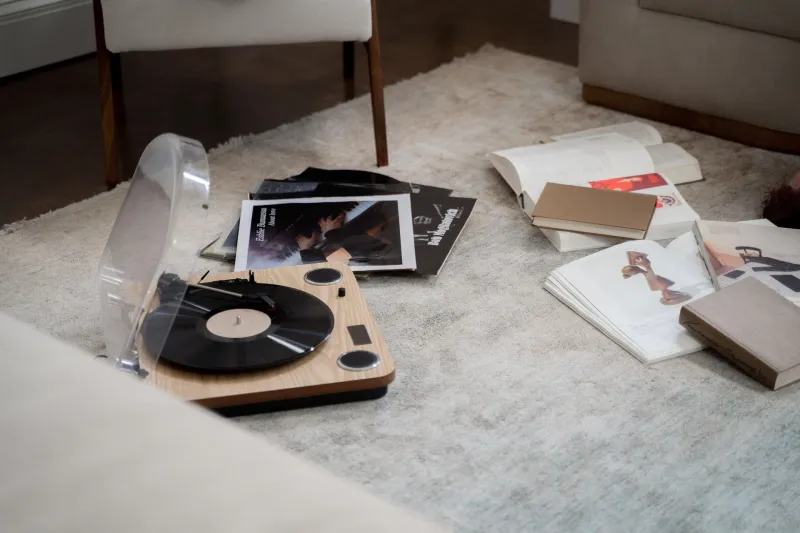
By the time you read this, the island is probably quiet again. The stages are down, the tarp lines are gone, and the only thing left of Jarasum is the ringtone in your head and a camera roll you keep scrolling. That letdown is real. The fix isn’t another festival. It’s a smaller room, a decent speaker, and a few friends who trust you with the aux.
Jarasum works because it asks something of the audience. Not a dress code, not a membership card—just attention. You sit on the ground, you listen past the chatter, you let a stranger hand you a cold beer, and you stay for the set you didn’t plan on. You can recreate more of that at home than you think. Here’s how to host a Jarasum-style listening night without turning your apartment into a themed party or a jazz lecture.
First, Kill the Phone (Politely)
At Jarasum, the audience isn’t watching a screen. They’re watching the band, the river, and each other. That’s the atmosphere worth stealing. Put a basket by the door and ask people to drop their phones in it—not as a punishment, but as a small experiment. Say it in the invite: “We’re doing a listening night, not a background-music hang. Phones in the basket for the first side, then we take a break.”
Be reasonable. If someone has a kid at home or a doctor on call, they keep their phone. The point is not purity; it’s permission to stop scrolling. Ninety minutes of attention is enough to reset a room.
Build the Room Like a Tarp
Jarasum’s floor seating is part of the sound. People spread out, lie back, sit cross-legged, and shift around between songs. Do the same. Clear the coffee table to the side, throw down blankets and floor cushions, and use lamps instead of overhead lights. No assigned seats—but do claim one good listening spot near the speaker for the person who cares most.
The volume matters more than the gear. You want conversational volume, not concert volume. The music should have room to breathe, and your guests should be able to say “what was that?” without shouting. If your speaker is on a bookshelf, pull it forward a little. If it’s on the floor, put it on a sturdy stool. Small adjustments, better night.
The Snack Table: Makgeolli-Friendly, American Practical
Makgeolli is the festival drink that makes the most sense at home: lightly fizzy, low in alcohol, a little sweet, a little tangy. You can find it at Korean grocery stores—H Mart, a local Asian market, sometimes even the international aisle. Serve it cold in small bowls or paper cups. If it’s a hard sell for your crew, keep a crisp lager or sparkling cider on hand and don’t make a thing of it.
For food, think grazing, not dinner. Frozen kimchi pancakes crisped in a pan, a tteokbokki kit doctored with extra cheese, honey butter chips, roasted seaweed, salted peanuts, sliced Asian pear, and maybe a bowl of plain rice crackers. The Jarasum food lane is not about elegance; it’s about keeping people happy between sets. Put out napkins, a visible trash bag, and a pitcher of water. That’s the whole strategy.
Sequence Like a Festival Afternoon
The setlist is where your listening night either becomes a night or becomes a playlist with snacks. Don’t shuffle. Make two sides of about 40 to 45 minutes each. Side A should start with gugak-inspired jazz—tracks that use gayageum, haegeum, or Korean percussion inside a jazz frame. Keep it melodic and mid-tempo. Let people hear the strings and the skins before you ask them to follow a horn player into the weeds.
Side B is the riverbank after dark: warm organ jazz, soul jazz, bossa nova, a little funk, something with a bassline you feel in your chest. The arc matters. You’re moving from “listen to this unusual instrument” to “move your shoulders without noticing.”
If your friends think they don’t like jazz, do not open with a twelve-minute free-jazz blowout. Start with groove. Before each side, say one thing to listen for: “Hear how the drum keeps the same pattern while the horn floats over it?” That’s not a lecture. It’s a door.
Invite the Jazz Skeptics
Call it a listening night, not a jazz night. Give everyone a job—someone pours drinks, someone handles the food, someone picks the next side. People relax when they have a small role. Let guests bring one snack and zero opinions about the music. If someone hates a track, they can say so. The Jarasum crowd is not a jazz exam, and your living room shouldn’t be either.
Pass around the record sleeve or CD booklet if you have one. Physical objects slow people down in a good way. They read the names, ask questions, and stop treating the music like wallpaper.
The Ten-Minute Reset
Between sides, stop the music completely. Open a window. Refill the makgeolli. Let the silence do some work. Jarasum’s quiet between songs is part of the set—it’s where the audience resets and the next tune lands harder. Don’t fill every gap with commentary. You’re not a DJ on a deadline.
End before people are tired. Two and a half hours is plenty. Send everyone home with one track name written on a sticky note, or a link in the group chat after they get their phones back. The point is not to recreate the island exactly. It’s to keep the habit: show up, listen, share the floor, and leave a little room for the next song.
The river doesn’t come with you. But the rhythm can.