When Gugak Meets the Groove: Inside Jarasum's Most Unlikely Collaborations
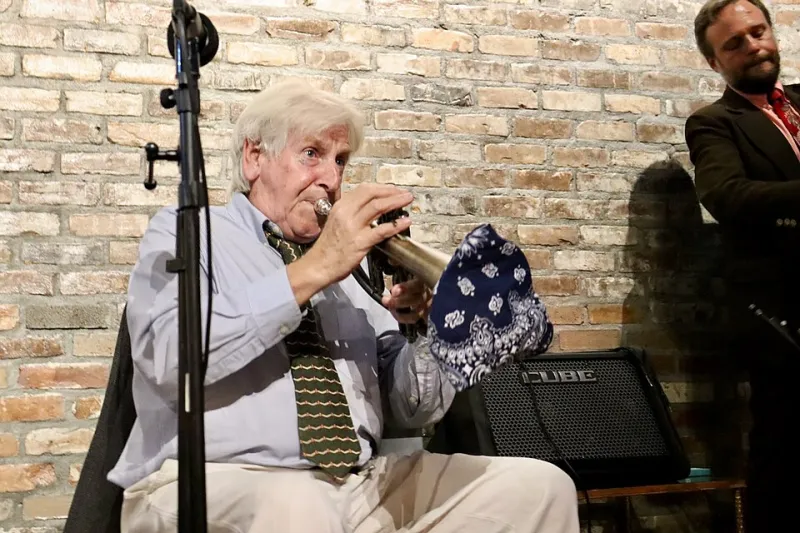
Photo: Jessep242, CC BY 2.0, via Wikimedia Commons
There's a moment that keeps circulating on Korean social media every fall: a New Orleans trumpet player, sweat on his brow, trading four-bar phrases with a pansori singer who's projecting her voice across a river island with nothing but a folding fan and five centuries of tradition behind her. No shared key. No rehearsal footage that looks like it went well. And yet — magic.
If you're stateside and only know Jarasum Jazz Festival as "that island festival in Korea," these cross-cultural collision sets are the reason the clips rack up millions of views. And they're not accidents. Mostly.
The Matching Game Nobody Explains
Here's what most festival coverage skips: Jarasum's organizers deliberately pair visiting international artists with Korean traditional musicians — gugak ensembles, pansori vocalists, gayageum players — for special collaborative sets. Think of it less like a jam session and more like a diplomatic summit with a backline.
"We don't want the international artists to just fly in, play their set, and fly out," one longtime stage coordinator told me, describing the philosophy behind the pairings. "The island is a meeting point. The river literally carries two streams together. We want the music to do the same."
The pairings are intentional, but the chemistry is not guaranteed. Which brings us to the part performers describe as equal parts terrifying and thrilling.
Rehearsal Is a Myth (Sort Of)
Ask any American musician who's played Jarasum about the collaborative sets and you'll hear the same thing: there's a rehearsal, technically, but it's more of a mutual sizing-up session. A pansori singer works in a rhythmic system (jin-yang, jungmori, jajinmori) that doesn't map neatly onto Western time signatures. A bebop drummer counting off in 4/4 is, to a traditional Korean percussionist, a suggestion rather than a law.
One trumpeter from a well-known Louisiana brass band described it to me this way: "The first run-through, I was so lost. She'd hold a note for eight bars and I couldn't tell if I was supposed to come in or leave. By the second run, I stopped thinking about bars and started listening. That was the whole lesson."
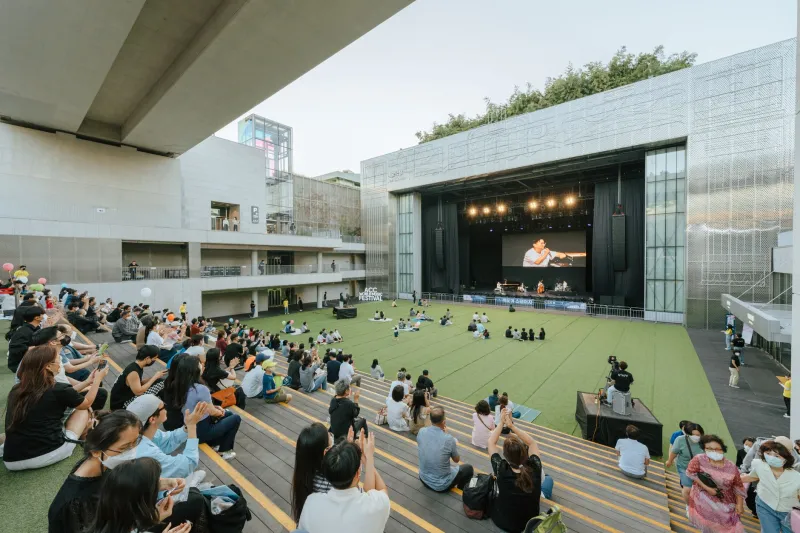
That's the unofficial rule of Jarasum collaborations: listen first, play second. It sounds like a jazz cliché until you watch it happen between a drum kit and a buk barrel drum in front of 30,000 people.
Why These Sets Go Viral Every Single Year
American jazz festivals have their own versions of the all-star jam — the late-night sit-in at Newport, the inevitable "and now, everyone on stage" finale. What makes Jarasum's different is the genuine language barrier. These musicians aren't trading licks over the same Real Book changes. They're negotiating, in real time, across two entirely different musical worldviews.
And audiences can feel it. There's a tension in those sets that a comfortable jam never has. When the pansori singer bends a phrase and the Hammond organ player finds the harmony underneath it a half-beat late, the crowd doesn't just cheer — they exhale. Clips of these moments routinely become the festival's most-shared content, landing on Korean evening news and, increasingly, on American jazz Twitter and Instagram reels.
For festival-goers, that's a practical tip as much as a cultural one: check the schedule for the collaboration and fusion stage sets, not just the headliners. The unrepeatable moment is rarely the one with the biggest name on the poster.
How to Experience It Like an Insider
If you're booking a trip from the US (and the flight math, frankly, works out better than you'd think), here's how to catch these sets at their best:
- Prioritize the afternoon collaborative slots. The international-traditional pairings tend to happen in daylight slots on the main and river stages — prime people-watching territory too.
- Arrive early, stay late. Some of the best fusion moments happen as unannounced encores or extended outros. Don't bolt for the makgeolli tent the second the last song starts.
- Learn two words: gugak (국악) and pansori (판소리). Knowing what you're hearing transforms the experience. A little YouTube homework on pansori's five-stringed drama — one singer, one drummer, infinite intensity — pays off enormously.
- Stand near the stage-left riser. That's where the guest musicians typically watch from, and where the spontaneous trading happens.
The Takeaway
Newport has history. New Orleans has soul. Jarasum has something else entirely: a river island where a trumpet from the Crescent City and a voice from the Joseon dynasty can find each other with no common language except the groove.
You can stream the highlights online, sure. But watching two musical traditions figure each other out in real time, with the water glinting behind the stage? That's the kind of thing that turns a first-time attendee into a yearly pilgrim.
Pack light, listen hard, and don't skip the set with the names you don't recognize. That's usually the one that ends up on your feed by Monday.