Ten Days Before the Music: The Crew Who Turn a Quiet Riverbank Into a Festival
There Is No Festival Until Someone Carries It There
If you've ever strolled onto Jarasum Island in October, beer in hand, tarp under arm, and marveled at how three riverside stages just... appeared, I have news for you: nothing about this festival appears. Every stage truss, every spool of XLR cable, every folding table behind the merch tents got there on the backs of a volunteer crew that starts working roughly ten days before the first note.
I spent time with them last fall — thumbing through shift logs, buying them coffee at odd hours, and asking the obvious question: why?
The Roster: Students, Retirees, and the Woman From the Bunshop
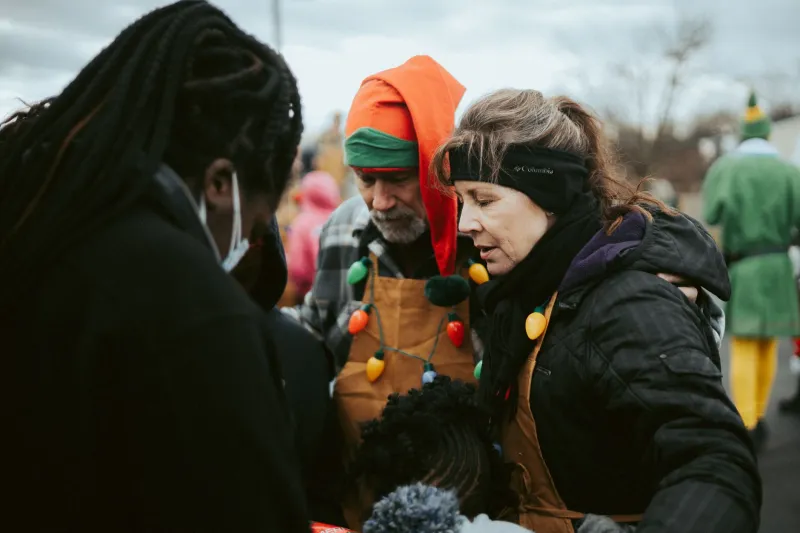
The crew is a strange and wonderful cross-section. There are college kids from Seoul earning credit and stories. There are retirees in wide-brim hats who know exactly which bolts on Stage 2 like to strip. And there are local shop owners — the woman who runs the bread shop near Gapyeong Station, a hardware store guy who seems personally offended by a crooked tent pole — who treat setup week as civic duty.
Their day starts around 7 a.m., usually with a van ride over the bridge carrying gear that would make a touring roadie wince. By American festival standards, the budget is humble. This is a free festival. There's no Coachella-style infrastructure machine. There's a river, a handful of trucks, and about two hundred people who decided this thing deserves to exist.
One shift log entry from a Tuesday read, in full: "Rain. Cable. Rain. Kimchi. More cable." Honestly, that's the whole job description.
Diary of a Setup Week
Here's roughly how the ten days unfold:
- Days 1–3: Survey and staging. Marking ground lines, laying down the protective matting, figuring out where the mud will win (it always wins somewhere).
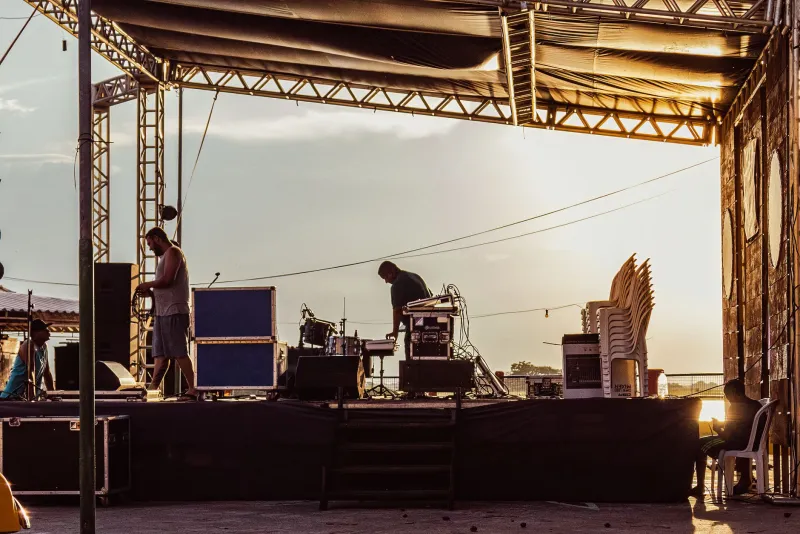
- Days 4–6: The heavy lift. Stage frames go up, generators arrive, and the cable runs begin — hundreds of meters of it, taped down, flagged, and checked twice.
- Days 7–8: Sound and light. This is when engineers start the thankless process of tuning PA systems to an outdoor island with wind, water, and zero acoustic mercy.
- Days 9–10: Dress rehearsal, signage, fencing, toilets, and the final scramble that no plan survives.
What struck me most was the tone of the logs. Nobody writes heroically. They write practically. "Stage 2 delay, truck stuck at bridge approach, solved by 8:40 a.m." It's the flattest possible prose describing genuinely difficult work.
The Americans Who Keep Coming Back — As Staff
Here's the twist that got me writing this piece: several US festival veterans now fly over every year to volunteer rather than attend. A sound tech from Portland told me he'd done Bonnaroo and Newport as a paying customer for years, but Jarasum was the first festival where he felt like he could actually touch the thing he loved.
"Back home, I'm a number in a wristband queue," he said. "Here, a stage manager handed me a wrench and said 'that truss, please.' By day three I knew half the crew. By day five I was arguing about horn arrangements with a retiree from Chuncheon."
For American readers used to the festival-industrial complex — tiered VIP packages, $18 beers, laser-guided entry systems — the contrast is jarring. Jarasum's setup culture runs on relationships and repetition. The same faces return every October. The hardware store guy has opinions about last year's wind direction. It's less like staffing an event and more like an Amish barn-raising with better saxophone.
Why This Matters to You, the Attendee
You might reasonably ask: I bought a flight, why do I care about cable runs?
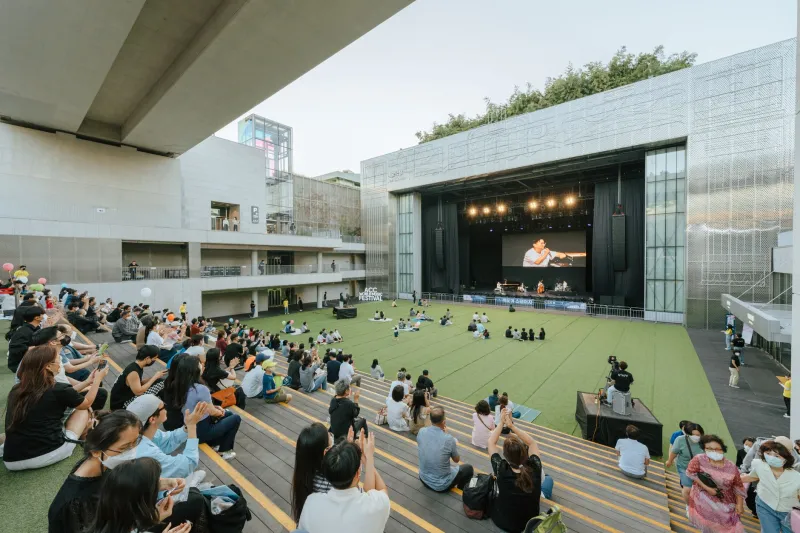
Because understanding the labor behind a free festival changes how you move through it. That volunteer handing out programs? She's been on her feet since dawn. That slightly crooked fence line? It was straight at midnight. The whole unwritten etiquette of tarp territory and river-crossing patience makes more sense when you realize the place was assembled by neighbors, not contractors.
A few practical takeaways:
- Greet the vests. Volunteers wear identifiable gear. A "thanks" goes further than you'd think.
- Respect the tape. That gaffer tape on the ground is load-bearing for someone's entire weekend. Don't peel it.
- Pack out what you pack in. A volunteer crew of 200 cannot undo the mess of 100,000 guests. They shouldn't have to.
- Consider coming early. Some volunteer programs accept international applicants. It's the single best backstage pass in the festival world, and it's free.
The Invisible Act
There's a moment on the final setup night that the crew apparently calls "the quiet check." Lights on, stages empty, river running underneath. Everyone walks the island once before bed. No music yet — just the structure of the thing, standing because people carried it there.
Then Friday comes, the bridges fill, the first horn blows, and the crew dissolves into the crowd like stagehands after a curtain call. If you see one of them this year, now you know. Buy them a beer. They've earned it ten days over.