Eleven Months of Quiet: The Secret Life of Jarasum Island When the Music Stops
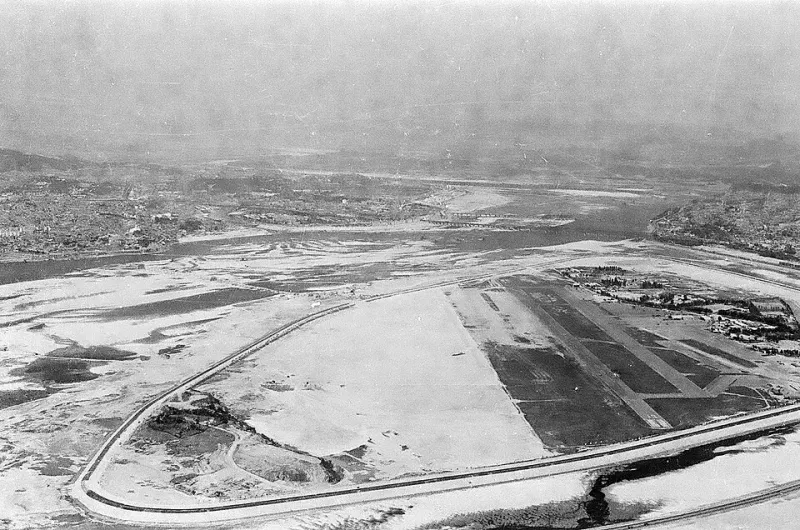
Photo: 경기도청, Public domain, via Wikimedia Commons
There's a moment at the Jarasum Jazz Festival that nobody puts in the highlight reels. It's not a saxophone solo or a sunset over the main stage. It's the quiet realization, usually around your second morning, that you're standing on an actual island where people live actual lives — and that the whole thing folds back into stillness the week after you fly home.
For American festival-goers used to fairgrounds and parking-lot venues, that's a strange and wonderful thing to sit with. So before you book that flight, here's what Jarasum Island is the other 362 days of the year.
A River Island With a Resume
Jarasum isn't a stage that got built; it's a landform that earned a gig. The island sits in the Han River where it meets the South Han River in Gapyeong County, about an hour northeast of Seoul. Its name roughly translates to "an island that grew on its own" — sediment and time doing the construction work, no permits required.
For most of its modern life, it's been exactly what it looks like: flat, grassy, river-carved ground. Locals have long used it for farming and recreation. In winter, when the water around it partially freezes, it becomes one of the region's ice-fishing hubs — the same grass where you'll spread a blanket in October turns into a lattice of fishing holes come January.
That duality is the point. The island isn't a venue with an off switch. It's a working piece of landscape that the festival borrows.
The Ecology Under Your Blanket
Here's something worth knowing while you're waiting between sets: the water surrounding you is part of one of Korea's most important river systems. The Han flows through Seoul and out to the Yellow Sea, and the channels around Jarasum support migratory birds, freshwater fish, and the kind of riparian grassland that's increasingly rare along developed waterways.
Winter visitors — yes, people come in winter — catch smelt through drilled holes and eat them raw, sashimi-style, a dish called dongchimi-hoe that is exactly as bracing as it sounds. In spring and summer, the island's perimeter paths fill with cyclists doing the Gapyeong river loop and families flying kites on the same lawns that will later vibrate with bass.
The festival organizers know they're guests. Ground protection, temporary staging, and a teardown process that restores the grass are part of the deal — a refreshing contrast to the pave-everything approach of some US festival grounds. When you're standing in ankle-deep grass rather than dust, that's why.
Gapyeong: The Town That Hosts the Island
The island doesn't exist in a vacuum, and neither does the festival. Cross the bridge and you're in Gapyeong, a county of roughly 65,000 people that spends most of the year catering to Seoulites escaping the city — think apple orchards, the scenic rail bike at Gangchon, and the cliffside temple complex at Cheongpyeong Lake.
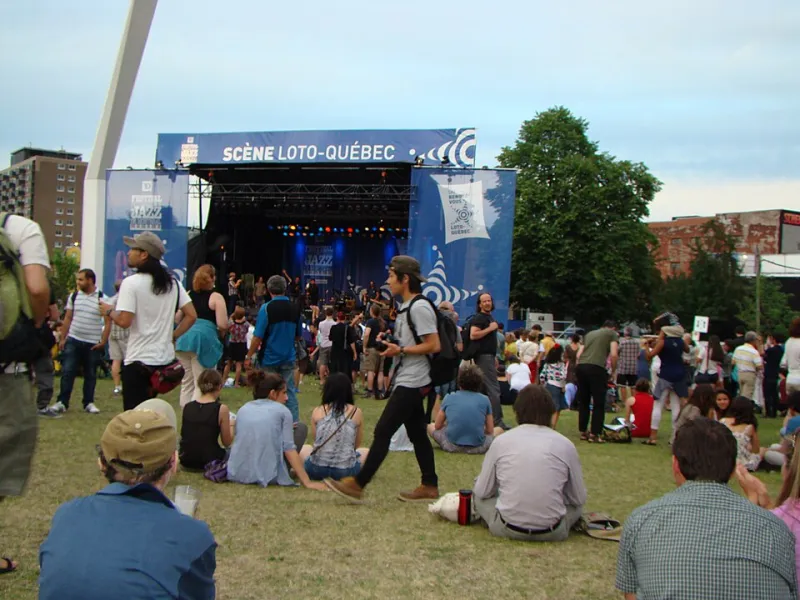
During festival weekend, this town of pension guesthouses and grilled-chicken alleys absorbs tens of thousands of jazz fans without breaking much of a sweat. The local buses fill up, the makgeolli flows, and the mom-and-pop restaurants that serve hikers in June serve horn players in October.
It's worth arriving a day early just to see Gapyeong in its natural state. Rent a bike. Ride the river path. Watch herons stalk the shallows where, in a few weeks, a stage will stand. You'll understand the festival better for it.
The Transformation: Three Days, Then Gone
The build-out is a genuine feat of logistics. Crews arrive weeks ahead to erect multiple stages, lighting rigs, fencing, food courts, and the tent camping zones that have become a rite of passage. Everything — and we mean everything — comes in on trucks and goes back out the same way.
Walk the grounds during the festival and you can still read the island's bones underneath: the curve of the riverbank that shapes the sound, the tree lines that block the wind, the gentle grade that makes the natural amphitheater work. Jazz, an improvised art form, is being performed on an improvised venue. There's a poetry in that.
Then, roughly a week after the final note, the trucks return. The stages come down. The grass, beaten but resilient, starts its recovery. By November, locals are back to walking their dogs where the main stage stood.
Why This Matters to Your Festival Experience
You could show up, catch your sets, and fly home without knowing any of this. Plenty do. But there's a difference between attending an event and visiting a place.
When you know that the island ices over in January, that the town hosting you runs on orchards and rail bikes, that the grass under your chair took eleven months to regrow — the festival stops being a lineup and starts being a relationship with a landscape. You'll find yourself caring about it the way locals do.
And honestly? That's the most Jarasum thing of all. The music is world-class, sure. But the reason American jazz fans keep flying back is the setting: a self-made island in a working river, lent to the music for one long weekend a year.
Come for the horn sections. Stay for the herons.
Practical notes: Gapyeong Station (Gyeongchun Line from Seoul) is your gateway; the island is a short walk or shuttle ride away. If you want the off-season experience, the Gapyeong area makes an easy day trip or weekend escape from Seoul any time of year — ice fishing season runs roughly late December through February.