Poster Tubes on the Plane Home: Chasing the Physical Souvenirs of Jarasum
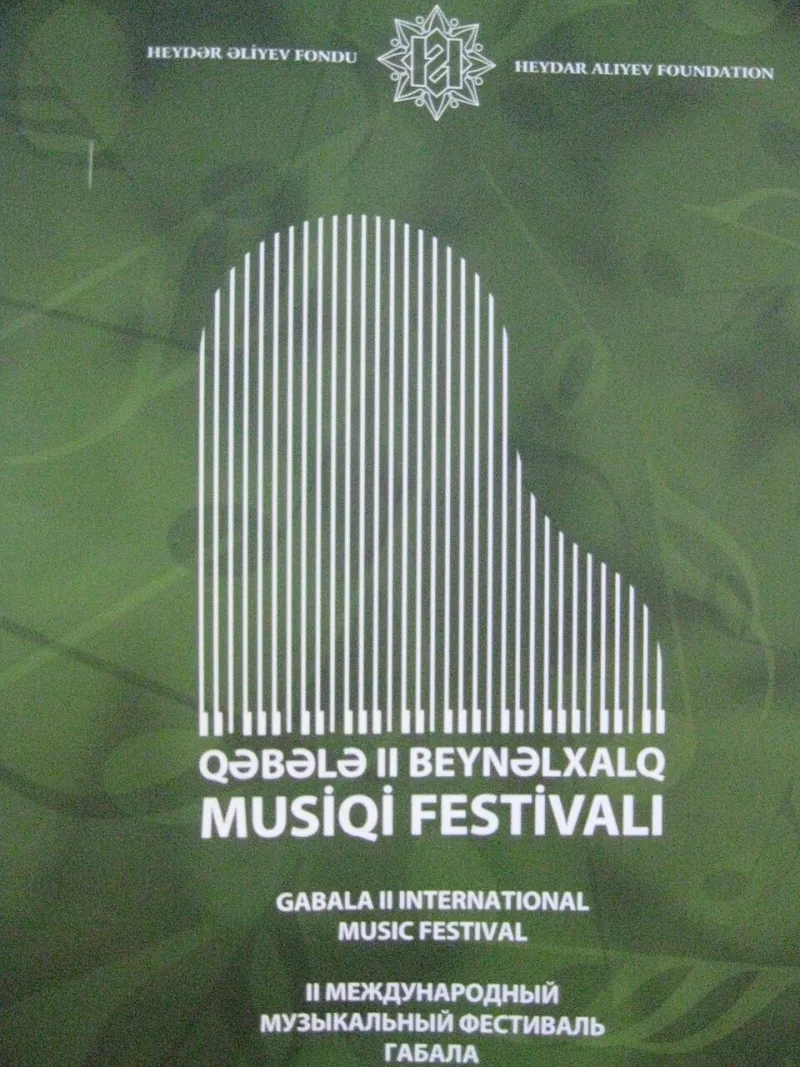
Photo: Gulustan, CC BY-SA 3.0, via Wikimedia Commons
Every festival has a merch table. Not every festival has a merch scene.
Somewhere between the main stage and the food tents on Jarasum Island, you'll spot them: Americans clutching poster tubes like bouquets, vinyl sleeves tucked under arms, debating whether that limited screen print will survive a fourteen-hour flight. They're not just buying souvenirs. They're participating in something Newport and Montreux fans already know — festival artifacts are how a scene proves it exists.
The Poster Is the Program
American festivals figured out long ago that a good gig poster is a collectible. Austin's poster culture, the screen-print scene around Newport Folk — we treat these like art objects because they are. Jarasum's posters belong in that conversation, and honestly, most US festivalgoers have never seen them.
What sets them apart is the visual language. Korean graphic designers working the jazz festival circuit lean into a mix of mid-century album-cover restraint and something distinctly local: Hangul typography bent into musical shapes, river motifs, color palettes that shift year to year like the festival's own mood board. Each edition's poster becomes a timestamp. Veterans can date their collection at a glance.
The smart play: buy the poster on day one. The popular designs sell out before the headliners hit the stage, and there's no reprints-when-you-get-home option.
Vinyl, Pressed for a River
Here's where Jarasum quietly flexes. Limited-run vinyl — live recordings, artist collabs, anniversary pressings — shows up in small quantities, and the collectors know it. A pressing tied to a specific festival weekend, often numbered, sometimes signed at the artist meet-and-greet tent, is exactly the kind of thing that makes a crate-digger's heart rate spike.
Compare that to the typical US festival merch table, which tops out at a logo tee and a tote bag. Jarasum treats its physical releases like an extension of the lineup. When a Korean jazz act presses a live album recorded on the island, that record doesn't exist anywhere else. You were there, or you weren't.
What's Actually Worth Stuffing in Your Carry-On
Not everything at the table deserves precious luggage space. A practical hierarchy:
- Screen-printed posters — top priority. Flat, light, irreplaceable. Bring a poster tube or buy a sturdy one on-site.
- Limited vinyl — if it's numbered or a live pressing, grab it. Records are heavy but flat; they pack fine in checked luggage with clothes around them.
- Artist collab items — tees and goods designed with the performers, not just the festival logo. These sell out fastest and age best.
- Year-specific tees — a maybe. Buy one if the design is genuinely good, not because you feel obligated.
- Everything else — mugs, keychains, canvas totes. Leave them. Your suitcase thanks you.
One more tip for the Americans in the room: prices are in won, card acceptance is widespread but not universal at smaller vendor stalls, and cash keeps you flexible. Nothing kills a merch high like a payment terminal that won't cooperate.
Why It Matters
A festival's visual identity is its memory. Newport has decades of iconic posters. Montreux has its legendary archive. Jarasum, younger and hungrier, is building its own — one screen print, one pressing, one collector's shelf at a time.
When you get home, hang that poster above your turntable. Every glance takes you back to the river. That's the whole point of the thing you carried fourteen hours through the sky.