Three Stages, One Afternoon, Zero Regrets: Cracking the Jarasum Scheduling Code
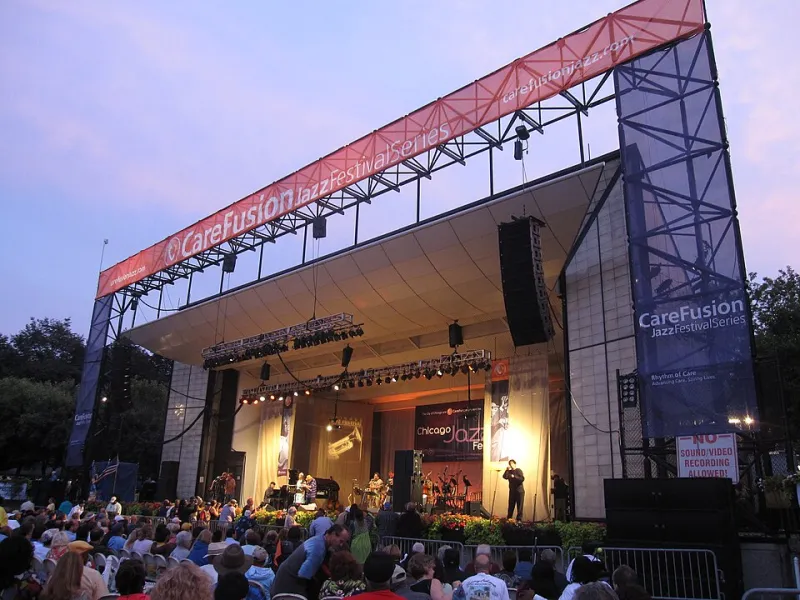
Photo: edward stojakovic from Portland, OR, United States, CC BY 2.0, via Wikimedia Commons
Let's be honest: most American festival-goers show up with a plan that falls apart by noon. At Newport it's a two-stage shuffle. at Monterey it's a long walk between grounds. At Jarasum, you're dealing with something different — three active stages scattered across a river island, each with its own acoustics, its own crowd culture, and its own gravitational pull.
The first time I tried to "wing it," I missed a stunning quartet set because I was standing in a burger line. Don't be me. Here's the playbook.
Understand the Geography Before You Gamble
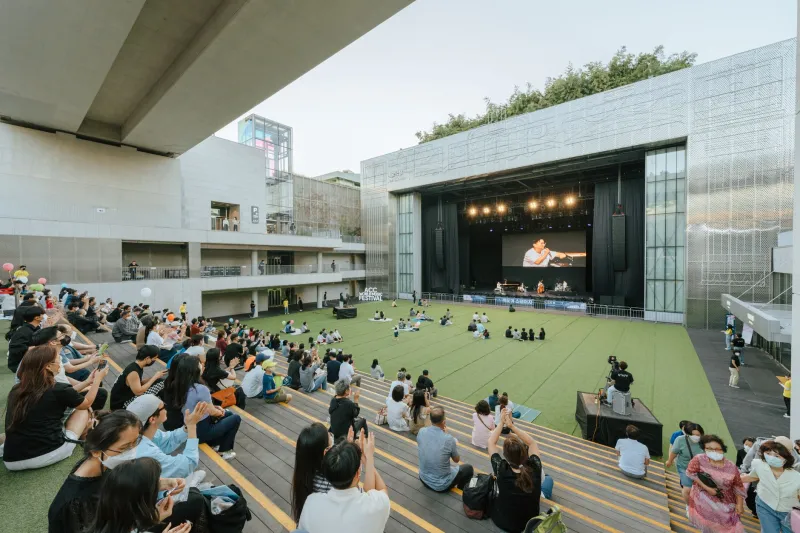
Jarasum Island isn't huge, but the stages are spread enough that transitions eat time. The main stage sits on the big open lawn — that's your headliner territory, your picnic-blanket crowds, your families with mats the size of studio apartments. The riverside deck stages are more intimate, closer to the water, and tend to book the riskier, more experimental acts. Then there are the smaller club-style and fringe setups, where the real discoveries happen.
Walk the whole island on day one before the music starts. Twenty minutes of reconnaissance saves you an hour of panicked power-walking later.
How the Locals Schedule (Copy Them)
Korean festival veterans approach Jarasum like a draft, not a buffet. Weeks out, they build spreadsheets — yes, actual spreadsheets — mapping set times against stage distances. They identify their two or three "must-see" acts per day, then treat everything else as flexible. Crucially, they arrive at smaller stages early and stake out spots, because those fill fast.
They also build in buffer. A 15-minute gap between sets on paper is really a 25-minute gap once you factor in crowds, bathroom lines, and the universal temptation to grab a cup of makgeolli on the way.
A Sample Day Plan That Actually Holds Up
Here's a template that's worked for me across multiple trips:
- Noon–1 PM: Skip the lawn entirely. Catch the first riverside set — early acts there are often young Korean ensembles playing with a fearlessness you won't see at 8 PM.
- 1:15–2:30 PM: Food and recon. Eat now, not at 6 when every line is 40 minutes deep.
- 3–5 PM: This is discovery block. Pick the artist you've never heard of — ideally on a smaller stage — and commit fully. No half-listening while scrolling set times.
- 6–7 PM: Dinner break, deliberately scheduled during a set you're lukewarm on.
- Evening: Headliners on the lawn. Arrive 45 minutes early, claim turf, settle in.
- Late night: If there's a jam session or late-stage program, go. Always go.
Why the 2 PM Act Might Beat the Headliner
Here's the thing nobody tells you: headliners are playing their hits to the biggest crowd of their run. The 2 PM artist on the pier is playing like they've got something to prove — because they do. Some of the best sets I've seen at Jarasum were afternoon performances by Korean and Japanese musicians I could barely find on Spotify beforehand.
American festival logic says the biggest name is the main event. Jarasum logic says the schedule is a treasure map, and the X is usually not where the sponsor logos are.
The One Rule That Ties It All Together
Pick fewer acts than you think you can see. Three full sets a day, experienced properly, beats seven partial ones experienced from the back of a moving crowd. The river will still be there between sets. The music won't.
Plan like a strategist, but leave one slot open for pure luck. That's usually the set you'll talk about on the flight home.