Spin It When You Get Home: A Crate-Digger's Field Notes from Jarasum Island
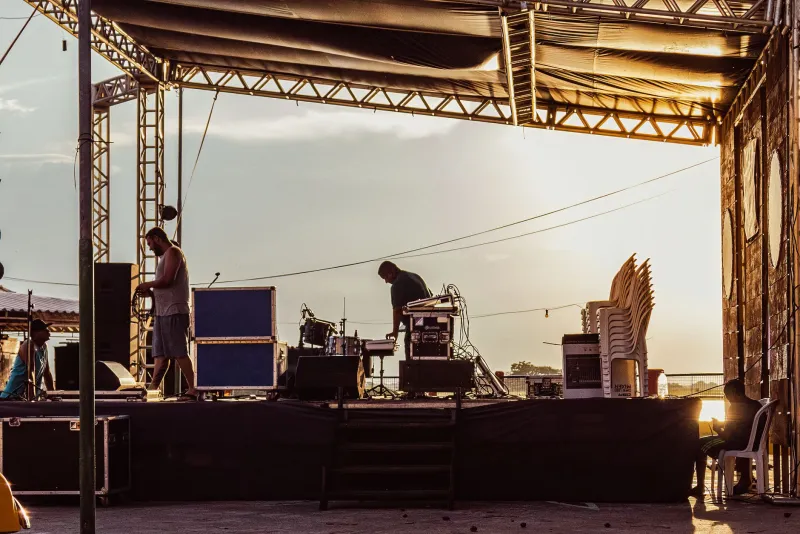
Photo: Deckblad, CC BY-SA 4.0, via Wikimedia Commons
Somewhere between the second stage set and the makgeolli tent on Saturday night, you'll spot them: a small knot of festival-goers clutching cardboard sleeves like they're protecting a newborn. Those are the collectors. They flew twelve hours from Chicago or Portland, camped on a river island in Gapyeong, and their most important luggage decision wasn't a tent — it was leaving half a suitcase empty.
If that sounds like your people, read on. Jarasum rewards the vinyl-minded, but only if you know where to look.
The Festival Merch Booth Is Just the Lobby
Yes, there's an official merch tent near the main gate. It's fine. Tote bags, posters, the usual. But the real action for physical media heads happens in two places.
First, the artist tables. Korean jazz musicians are remarkably hands-on about their own releases, and smaller acts frequently sell self-pressed CDs and occasional vinyl at their merch tables right after a set. Buy it from the artist, get it signed, and you've got something no Discogs listing will ever replicate. If you catch a standout performance, walk straight to that table — limited runs at festival prices have a way of evaporating by Sunday.
Second, keep an eye out for the live-recording partnership tables. In recent years, select festival sets have surfaced as limited-run physical releases and digital drops after the fact. Ask at the info booth early in the weekend whether live recordings are being offered this year, and get on whatever list exists. These are the true grails: a document of the exact set you stood in the drizzle for, pressed in numbers small enough that nobody back home will have one.
The Seoul Detour Every Digger Should Budget For
Here's the thing about Gapyeong itself: it's a charming river town, not a record town. Your digging happens in Seoul, which means the smart play is building a day on either side of the festival.
If you've followed our 48-hour itinerary before, you already know the route from Incheon works best with a Seoul buffer day. Add a few hours for record shopping and you won't regret it. Areas worth your time:
- Hongdae and Hapjeong — the classic corridor. Independent shops stacked floor to ceiling, strong Korean jazz and pop sections, and staff who take their reissue selection seriously.
- Sangsangmadang and smaller boutiques — curated over comprehensive, with a surprising amount of domestic pressings front and center.
- Used bins, everywhere — Korean secondhand culture is excellent, and the jazz bins in particular can turn up mid-century Korean pressings and Japanese imports at prices that will make you check your math twice.
Bring cash or make sure your card works — some of the best shops are tiny and old-school about it.
Why Korean Pressings Deserve the Hype
US collectors have spent the last decade living through the reissue boom: 180-gram everything, audiophile remasters, subscription clubs. Korea's pressing culture is smaller but moving in an interesting direction — a wave of domestic labels reissuing Korean jazz and folk from the '70s and '80s, music that barely circulated outside the peninsula.
That's the pitch to your stateside crew: you can buy another US reissue of an American classic anywhere. You cannot buy a well-done reissue of a long-out-of-print Korean jazz record at your local shop in Austin. The sound quality on modern Korean pressings is genuinely good, the packaging tends to be thoughtful, and the scarcity is real rather than manufactured.
Getting It Home: Customs and Common Sense
The good news first: vinyl records are personal effects, and bringing your haul back to the US in your luggage is completely normal. A few practical notes:
- Declared vs. duty-free: Reasonable personal purchases typically clear customs without issue. Keep receipts if you've spent serious money; if your total haul crosses the duty threshold for your exemption, declare it. The duty on records is minimal and the hassle of not declaring is not worth it.
- Pack for the press, not the plane: Vinyl's enemy is heat and warp. Never check records in a way that leaves them lying flat under a suitcase stack. Carry them on if you can, and keep them upright — like books — wedged between clothes.
- Sleeves matter: Slide any valuable sleeve into a plastic outer sleeve before travel. Korean shops usually do this for you, but double-check.
One more tip: leave a little room on the way over. The most common rookie mistake is packing full and then finding a sealed festival pressing you can't live without.
The One Thing Not to Leave Behind
A mentor of mine who's done every Jarasum since the mid-2000s put it simply: buy the record from the person who made the music. Merch tables, artist signings, the small pressings sold out of a guitar case — that's the stuff that means something in five years. The Seoul shops fill out the collection. The island fills out the story.
So pack light, dig deep, and when the TSA agent asks why your carry-on weighs fourteen pounds of cardboard, tell them the truth: you went to a jazz festival on a river in Korea and came back with the good stuff.