Newport Tickets Cost More Than Your Flight to Seoul: The Real Math of a Jazz Festival Trip
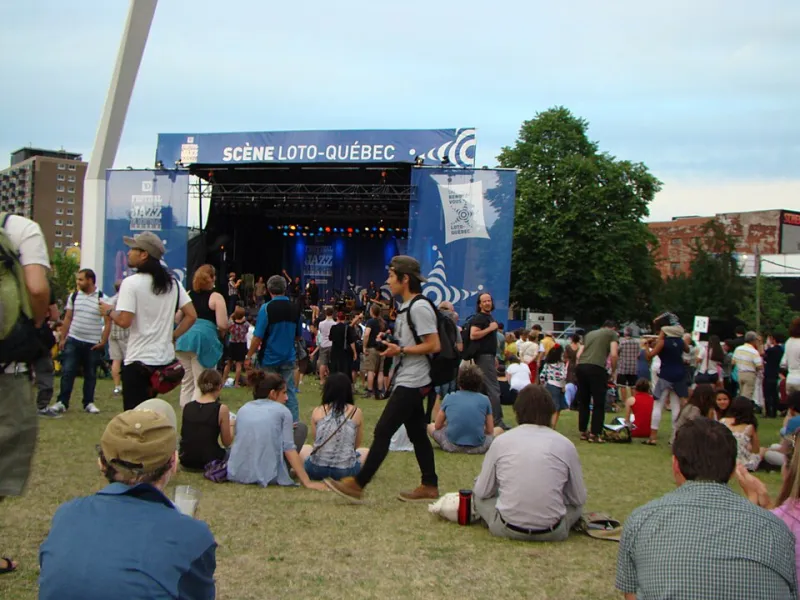
Photo: Zahav511, CC BY-SA 3.0, via Wikimedia Commons
Let's start with a number that stings: a three-day pass to a premium American jazz festival — think Newport or Monterey — will typically set you back somewhere between $200 and $300. That's before parking, before the $14 festival beers, before the hotel room in a town that knows exactly how many music fans just rolled into it.
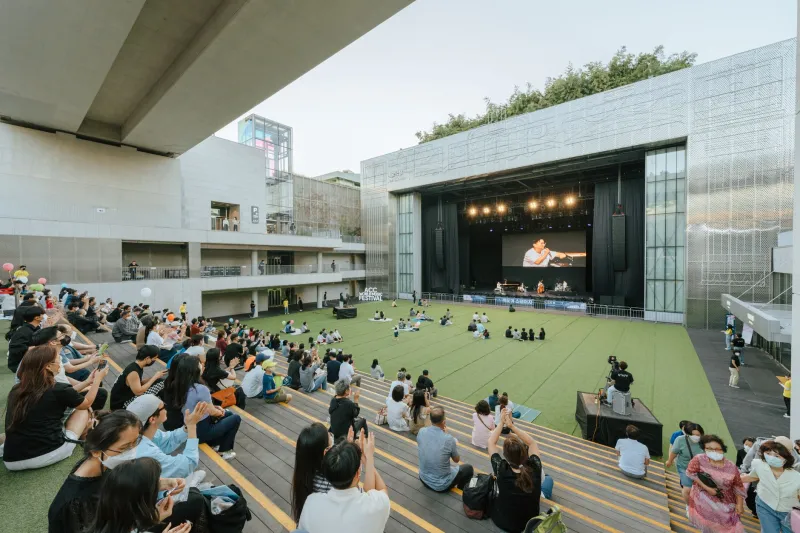
Now here's the counterpunch. Admission to the Jarasum International Jazz Festival in Gapyeong, South Korea? Historically, most of the riverside stages are free. Yes, free. You can stand on an island in the Bukhan River, the fall foliage turning gold on the hills behind the main stage, and watch world-class musicians for the price of a train ticket.
We did the full math for a US traveler, and the totals surprised even us.
The Flight Is the Big Ticket — But Not as Big as You Think
Round-trip flights from the US West Coast to Seoul (Incheon) regularly dip into the $600–$800 range, especially if you book for late fall — which is exactly when Jarasum happens, usually mid-October. Flying from the East Coast adds a bit, but competitive routes through Vancouver, Seattle, or Tokyo can keep you under $1,000 if you set fare alerts a couple of months out.
Compare that to a domestic festival weekend where flights to a regional airport, a rental car, and parking can quietly add $400 before you've heard a single note.
Where You Sleep Matters More Than What You Fly
Korea's accommodation game is the secret budget weapon. Guesthouses and small hotels in Gapyeong and the surrounding countryside run $40–$70 a night. If you base yourself in Seoul instead — a 50-minute to hour-long ITX train ride away — you can find clean, comfortable hotels in the $60–$90 range, and hostels for half that.
A pro move many festival regulars use: book a Seoul hotel and take the ITX-Cheongnyong train out to Gapyeong on festival day. You sleep in the city, eat late, and ride back with a river full of new friends.
Eating Like a King on $15 a Day
Festival food in the US has become a second admission fee. At Jarasum, the food stalls and nearby Gapyeong restaurants operate on Korean street pricing: tteokbokki, fried chicken, hotteok pancakes, grilled skewers — most items land between $3 and $7. A generous day of eating, including a proper dinner, rarely cracks $25.
And the beer? Convenience-store prices, not stadium prices. A cold can on the riverbank costs a fraction of what you'd pay at a stateside festival gate.
The Exchange Rate Is Quietly on Your Side
The Korean won has spent recent years trading favorably for the US dollar, which means everything — from your hotel to your late-night bibimbap — feels roughly 10–20% cheaper than it did a few years back. It's the rare case where your money simply goes further the moment you land.
The Bottom Line
Add it up: flights ($800), four to five nights of lodging ($300), food ($150), trains and transit ($50), and a festival experience that's mostly free at the door. You're looking at roughly $1,300 for a week in Korea anchored by an internationally respected jazz festival.
A comparable weekend at Monterey — tickets, hotel, food, parking — can run $1,000+ for three days. For a few hundred dollars more, you get an ocean of culture on the other side: Seoul's club scene, temple mornings, street food you'll dream about.
The concert t-shirt comparison in the title isn't a joke. The music might cost you nothing at all. Wear the shirt home as proof.