Newport Charges You for a Chair. Jarasum Hands You an Island.
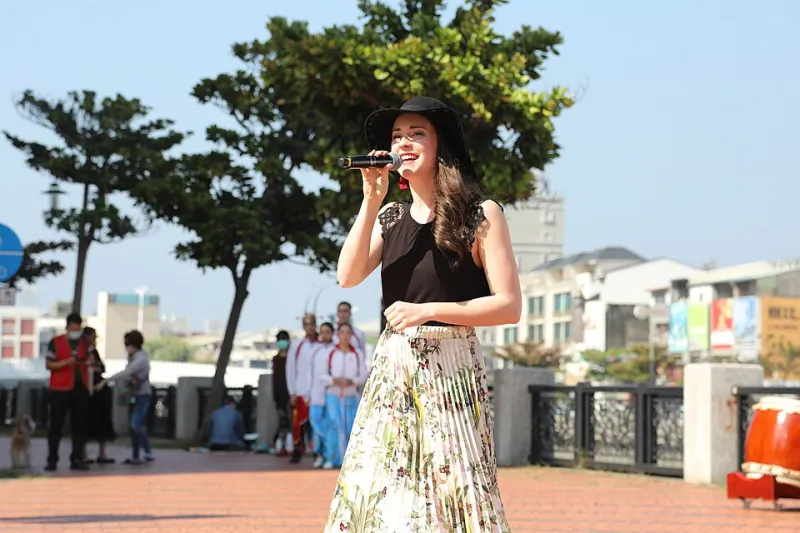
Photo: Tainan City Government, Attribution, via Wikimedia Commons
I've done Newport. I've done Monterey. I've sweated through enough New Orleans Jazz Fest afternoons to have opinions about porta-potty placement. And every time I come back from Jarasum, I feel a little like I've seen the genre's festival format from a parallel universe — one where the experience wasn't reverse-engineered from a sponsorship deck.
This isn't a knock on American festivals. It's an observation that a mid-sized island in the Namhan River has quietly solved problems we've decided are unsolvable.
The Setting Does the Heavy Lifting
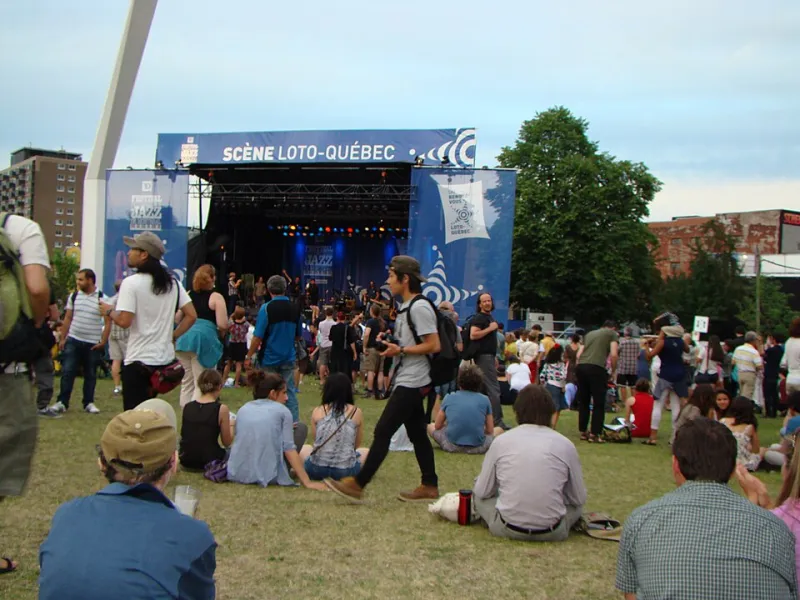
Newport is beautiful, but it's a venue. Jarasum is a place. The festival takes over an entire river island, and the geography itself shapes the experience — you cross a bridge and you're somewhere else entirely. There's no "inside" versus "outside" the grounds, no premium zone where the real fans cluster. The whole island is the festival.
Monterey's fairgrounds have history; I get it. But compare the feeling of wandering a riverside lawn as the sun drops behind the mountains with the feeling of navigating a cordoned-off VIP section. One of those feels like jazz. The other feels like an airline lounge with horns.
The Absence of Tiered Everything
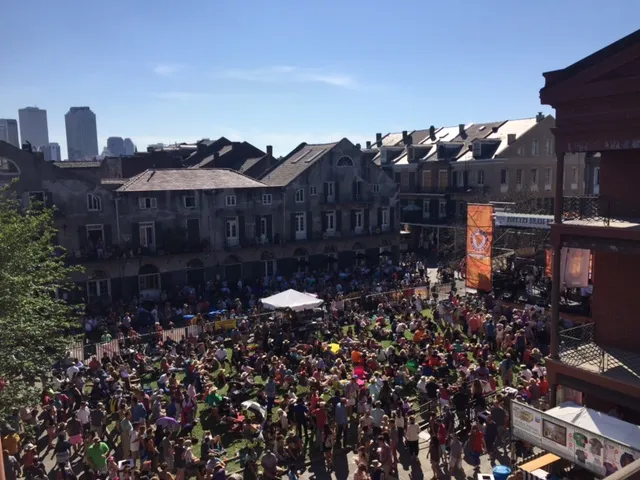
American festival economics run on friction. Lawn versus shade, GA versus VIP, the upcharge for the chair with a decent sightline. Newport basically invented the jazz festival, and it also basically invented the jazz festival upcharge.
Jarasum's model is radically simple: general admission, open grounds, and a tacit understanding that everyone — students with blankets, retirees with folding chairs, tourists who flew twelve hours — shares the same grass. The Korean families who stake out turf at dawn aren't paying extra for the privilege. They're just early.
The result is a crowd that mixes instead of stratifies. You end up sitting next to strangers who become your festival companions by day two. That happens at US festivals too, but less often, because the tier system keeps teaching us where we rank.
Late Nights Are Not an Add-On
Here's where Jarasum really pulls ahead: the music doesn't politely end at a curfew-friendly hour. Late-night sessions and club-adjacent programming run deep into the evening, and the island's compact size means the after-party is a short walk, not an Uber surge. In New Orleans, the best late sets are scattered across the city. At Jarasum, they're twenty minutes from your tent.
What US Festivals Could Actually Steal
Three things, realistically:
- One ticket, one experience. Kill the VIP moat, or at least shrink it. Scarcity pricing on shade is not a heritage tradition.
- Program the afternoon like it matters. Jarasum treats its daytime slots as a showcase, not filler between headliners.
- Build in late-night infrastructure. If the venue allows it, extend the music. Jazz was born after hours; the festivals shouldn't end at dinnertime.
The Two Things Americans Wouldn't Tolerate
Full honesty, because this isn't a tourism brochure.
First: the crowds. Korean festival-goers arrive early and claim territory with a commitment that borders on military logistics. Blankets go down before breakfast. Personal space is a flexible concept on a packed lawn. Americans raised on personal-bubble norms and assigned seating would need an adjustment period — a long one.
Second: the amenities are more spartan. You're on an island, and while the food tents are genuinely excellent, the restroom and seating infrastructure won't remind anyone of a US arena. There's a self-reliance expected here that some American festival-goers treat as a human rights violation.
The Verdict
Jarasum isn't better than Newport in every way — the history alone counts for something. But it's proof that a jazz festival can be immersive, affordable, and socially warm without a single VIP wristband in sight. That's not a Korean thing or an American thing. That's just a better blueprint, sitting on a river in Gapyeong, waiting for us to take notes.